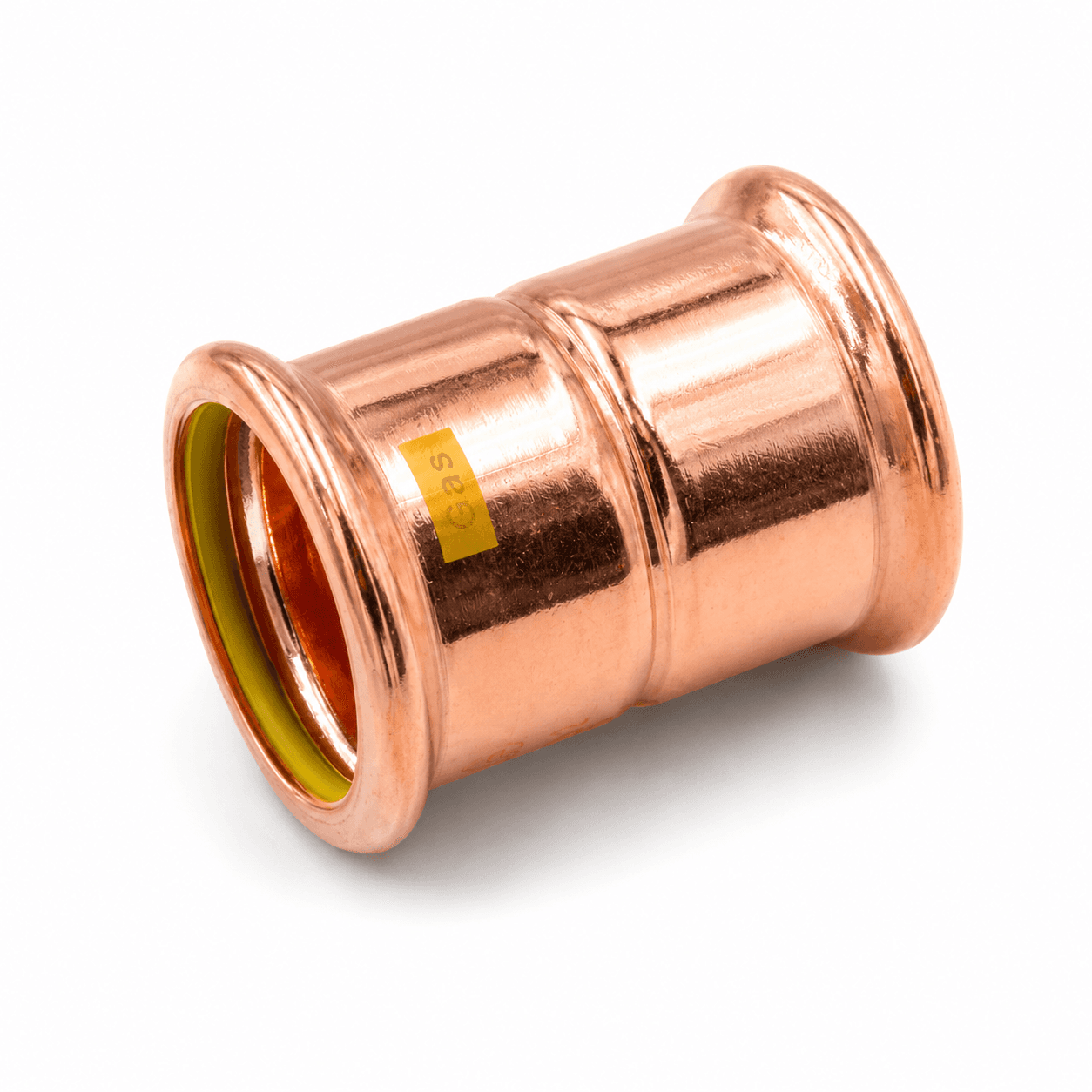
Pressfit Gas Coupling
Pressfit Gas Coupling
Product Options
| SKU | SIZE / OPTION | AVAILABILITY | PRICE | QTY | ACTION |
|---|---|---|---|---|---|
| PG - 1 | IN STOCK | £0.81 Ex. VAT | |||
| PG - 1 - P10 | IN STOCK | £8.10 Ex. VAT | |||
| PG - 1 - P20 | IN STOCK | £15.57 Ex. VAT | |||
| PG - 1 - P30 | IN STOCK | £22.72 Ex. VAT | |||
| PG - 2 | IN STOCK | £1.40 Ex. VAT | |||
| PG - 2 - P10 | IN STOCK | £14.00 Ex. VAT | |||
| PG - 2 - P20 | IN STOCK | £26.91 Ex. VAT | |||
| PG - 2 - P30 | IN STOCK | £39.27 Ex. VAT | |||
| PG - 3 | IN STOCK | £1.77 Ex. VAT | |||
| PG - 3 - P10 | IN STOCK | £17.70 Ex. VAT | |||
| PG - 3 - P20 | IN STOCK | £34.02 Ex. VAT | |||
| PG - 3 - P30 | IN STOCK | £49.65 Ex. VAT | |||
| PG - 4 | IN STOCK | £2.78 Ex. VAT | |||
| PG - 4 - P10 | IN STOCK | £27.80 Ex. VAT | |||
| PG - 4 - P20 | IN STOCK | £53.43 Ex. VAT | |||
| PG - 4 - P30 | IN STOCK | £77.99 Ex. VAT | |||
| PG - 5 | IN STOCK | £4.28 Ex. VAT | |||
| PG - 5 - P10 | IN STOCK | £42.80 Ex. VAT | |||
| PG - 5 - P20 | IN STOCK | £82.26 Ex. VAT | |||
| PG - 5 - P30 | IN STOCK | £120.07 Ex. VAT | |||
| PG - 6 | IN STOCK | £5.96 Ex. VAT | |||
| PG - 6 - P10 | IN STOCK | £59.60 Ex. VAT | |||
| PG - 6 - P20 | IN STOCK | £114.55 Ex. VAT | |||
| PG - 6 - P30 | IN STOCK | £167.20 Ex. VAT |
Quick Trade Summary: Copper Press Fit Gas Straight Coupling
MEP Stock supplies heavy-duty copper M-profile press fit gas straight couplings for natural gas, LPG, and compressed air lines. Fitted with hydrocarbon-resistant yellow HNBR O-rings, internal tube stops, and 5-bar gas certification under BS 6891 and BS EN 1254-7.
Flame-Free Copper Gas Straight Couplings for Gas Safe Engineers
Running copper gas lines in occupied premises and timber-framed structures requires flame-free jointing. Conforming to BS 6891 and GSIUR 1998, our M-profile gas straight couplings deliver leak-tight joints without hot-works permits.
Engineering Specifications & Material Standards
| Parameter | Specification Standard |
|---|---|
| Fitting Material | Deoxidised High Phosphorus Copper CW024A / Cu-DHP (BS EN 1254-7) |
| Sealing Element | High-Grade Yellow HNBR (Hydrocarbon Resistant) |
| Operating Pressure | Max 5 bar (MOP 5 / PN5) for Natural Gas & LPG |
| Press Profile | M-Profile Press Jaws |
| Operating Temperature | -20°C to +70°C (-4°F to 158°F) |
| Safety Feature | Leak-Before-Press (LBP) bypass channel for air tightness testing |
Step-by-Step Installation Protocol
- Square Cut: Cut copper pipe cleanly at 90° with a rotary wheel cutter.
- Deburr Thoroughly: Deburr inner and outer edges thoroughly to protect the yellow HNBR seal.
- Mark Depth: Scribe insertion depth onto both copper pipes.
- Insert to Stop: Slide coupling over pipe until seated against central stop.
- Mechanical Press: Mount M-profile jaw square on the bead and complete the machine crimp.
Frequently Asked Questions: Pressfit Gas Coupling
Can I use this gas coupling on a water system?
While HNBR can handle water, it is best practice to keep gas fittings with yellow seals strictly for gas services. under BS 6891 and use dedicated black EPDM fittings for water to maintain compliance records.
Can this gas press coupling be buried in screed under BS 6891?
No, mechanical gas press joints must not be directly buried in concrete screed without an accessible duct. or protective sleeve. Gas pipework in screed should be continuous unjointed soft-coiled copper.
What press jaw profile is required?
Strictly requires M-Profile press jaws. (Rothenberger, Milwaukee, Novopress, Klauke, REMS).
What is the minimum distance from an existing soldered joint?
Maintain at least 100mm clearance from soldered joints, completing hot works first. to prevent heat from damaging the yellow HNBR O-ring.
What is the maximum operating pressure for gas?
Rated up to 5 bar (MOP 5) for natural gas and LPG. vapor systems.
How does Leak-Before-Press work on gas testing?
Engineered bypass channel leaks test gas at 10 to 50 mbar if unpressed. showing an immediate drop on your digital manometer during mandatory tightness testing.
Order Trade Copper Press Gas Couplings Online
Available from 15mm to 54mm in singles or discounted bulk packs.
Read our comprehensive engineering guide covering BS EN compliance standards, hydraulic calculations, and trade best practices for this component.
You May Also Like
 Featured
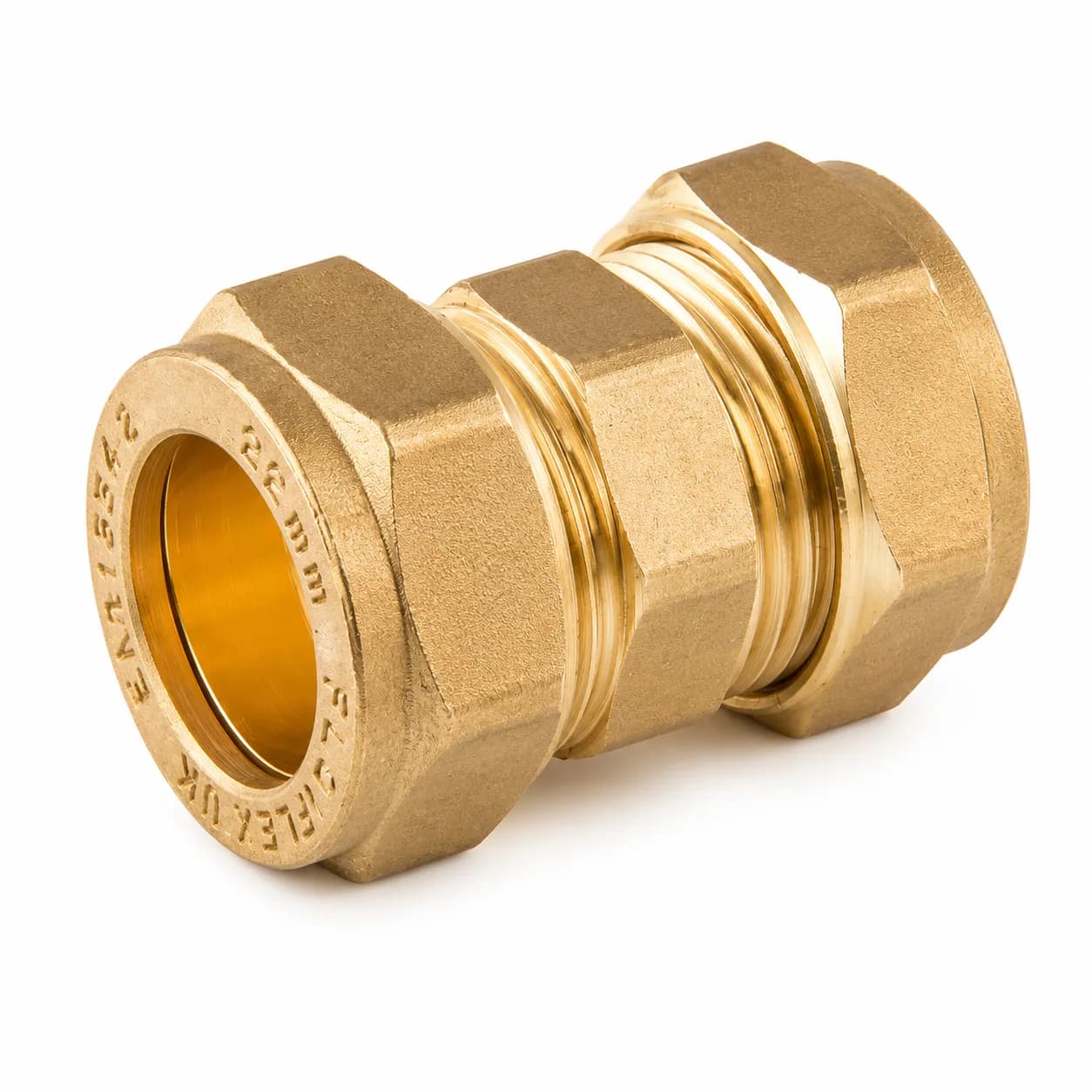
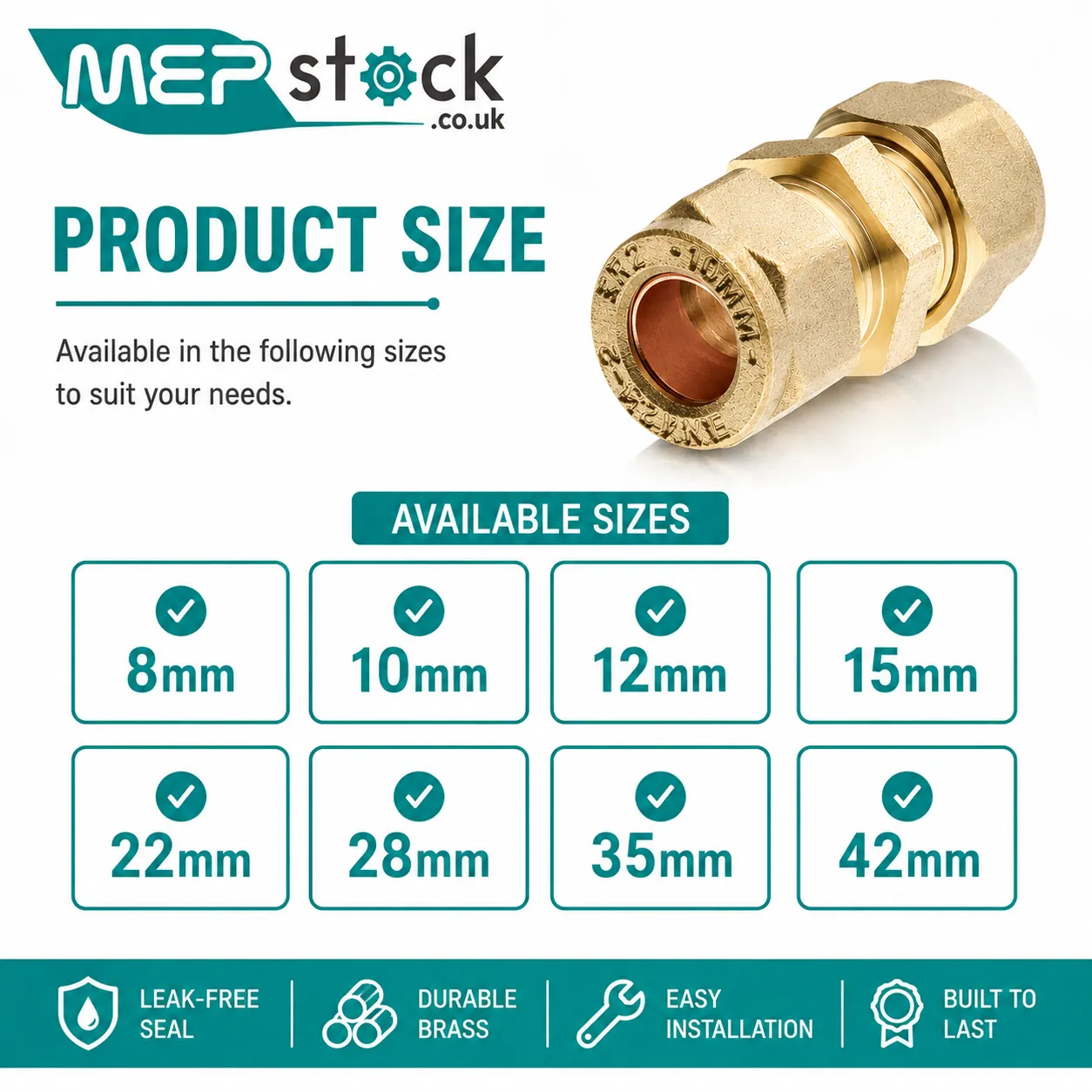
Brass Compression Straight Coupling
 Featured
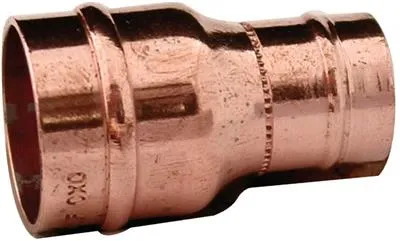
Solder Ring Reducing Coupling Copper Plumbing Pipe Fitting
 Featured
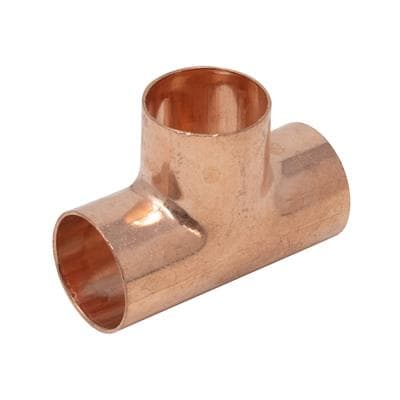
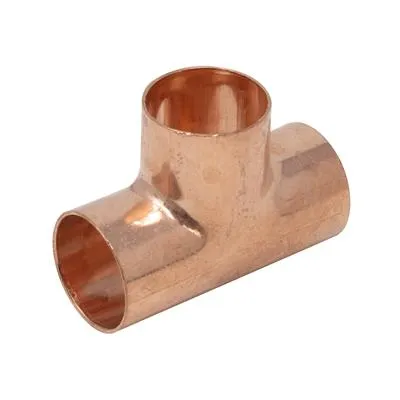
Copper Endfeed Equal Tee WRAS Approved Pipe Fitting
 Featured
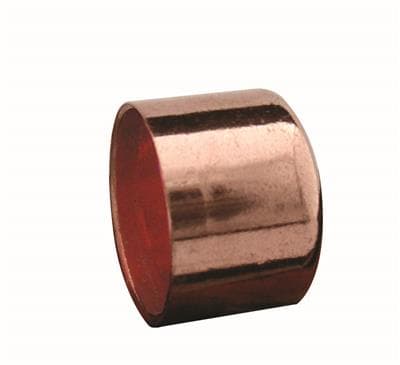
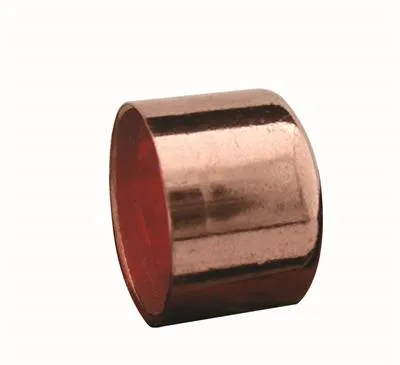
Copper Endfeed Stop End Cap WRAS Approved Copper Pipe Fitting
 Featured
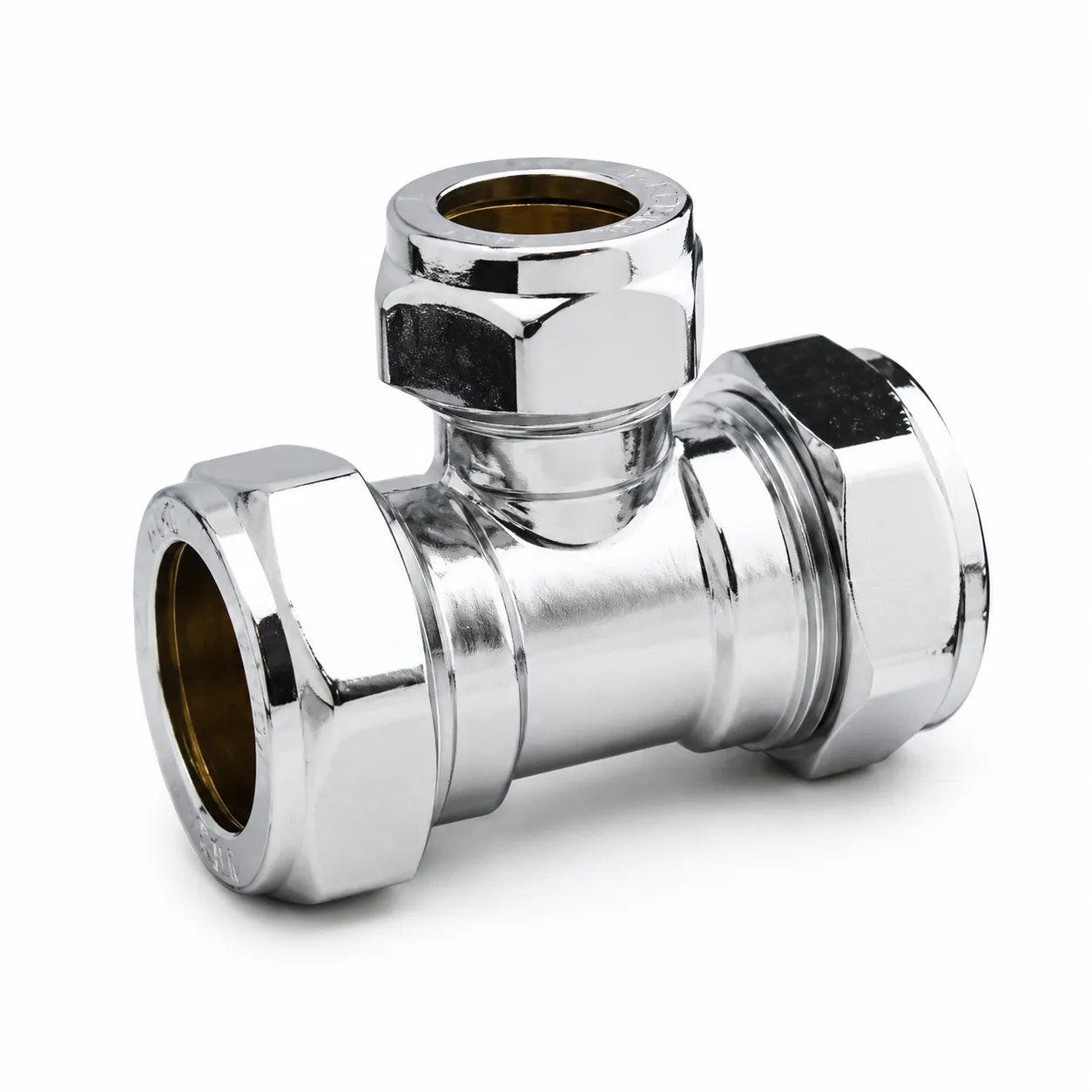
Chrome Compression Reducing Tee WRAS Approved Plumbing Pipe Fitting
Rubber Lined Pipe Clips with Blue Safety Lock
Copper Two-Piece Pipe Spacing Clips